
The Allure of Casino Games
The psychological appeal of casino games is a complex interplay of excitement, risk, and reward. Casinos are designed to be immersive environments that stimulate the senses, drawing players into a world where winning feels within reach. The thrill of potential monetary gain, paired with the anticipation of spinning the reels or rolling the dice, creates an emotional high that keeps players returning for more. Additionally, many players are exploring new ontario online casinos that offer unique experiences, which can trigger the release of dopamine in the brain.
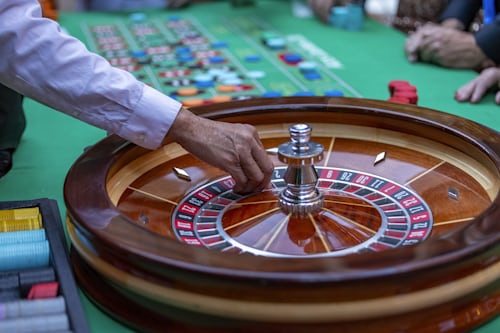
Moreover, the design elements of casino games contribute significantly to their allure. Bright lights, vivid colors, and immersive sounds create an atmosphere that reinforces the excitement. Players often find themselves in an environment that is carefully crafted to enhance their experience, making it easy to lose track of time and money. The thrill of the gamble, combined with the sensory stimulation, influences player behavior and increases the likelihood of continued play.
The Role of Cognitive Biases
Cognitive biases play a significant role in how players perceive their chances of winning in casino games. One common bias is the “gambler’s fallacy,” where players believe that past outcomes influence future results. For instance, a player may think that a particular slot machine is “due” for a win after a series of losses, leading them to continue playing in hopes of a future payout. This misconception can lead to excessive gambling and financial loss, as players often overestimate their understanding of how games work.
Additionally, the design of casino games often incorporates elements that exploit these cognitive biases. Features such as near-misses or variable rewards can reinforce the idea that players are close to winning, encouraging them to keep playing. The unpredictability of outcomes keeps players engaged, as they are led to believe that a significant win is just around the corner. This cycle of hope and disappointment can create a powerful psychological grip on individuals, making it challenging to walk away.
Emotions and Player Behavior
Emotions significantly affect player behavior within casinos. Players often gamble to escape reality or to cope with stress, using the thrill of gaming as a distraction from daily life. This escapism can lead to a cycle where individuals play longer and bet more than they initially intended, fueled by both positive emotions, such as joy and excitement, and negative emotions, like anxiety and frustration. The casino environment amplifies these feelings, as the highs of winning and the lows of losing create a rollercoaster of emotional experiences.
Moreover, social interactions within casinos can also impact emotional states and gambling behavior. Players may feel a sense of camaraderie with others at the gaming tables or slots, which can enhance their enjoyment and encourage more prolonged play. The social aspect often leads to a shared experience where players celebrate wins together, creating a community that fosters a culture of gambling. This interconnectedness can further complicate an individual’s relationship with gambling, blurring the lines between entertainment and compulsion.
The Impact of Marketing and Promotions
Marketing strategies employed by casinos are specifically designed to tap into psychological triggers that encourage player engagement. Promotions, bonuses, and loyalty programs are structured to create a sense of urgency and enhanced value, pushing players toward frequent participation. These incentives often exploit the ‘fear of missing out’ (FOMO), compelling players to act quickly to take advantage of limited-time offers, which can lead to increased gambling behavior.
Furthermore, casinos often use personalized marketing tactics that cater to individual player preferences, creating a tailored experience that can make players feel special and valued. This personalization fosters a deeper connection to the casino, encouraging return visits and prolonged engagement. However, this practice can also blur the lines of responsible gambling, as players may feel pressured to meet the expectations set by these marketing campaigns, potentially leading to problematic gambling behavior.

Exploring Responsible Gambling Resources
Understanding the psychology behind casino games and player behavior is crucial for promoting responsible gambling practices. Many resources are available to help individuals recognize harmful gambling patterns and promote healthy gaming habits. Online platforms, support groups, and counseling services offer guidance and support for those who may struggle with gambling addiction, emphasizing the importance of self-awareness and setting limits.
As awareness grows about the psychological aspects of gambling, more focus is placed on creating safer gaming environments. Educating players about the risks and providing them with tools to manage their gambling can empower them to enjoy games responsibly. This shift towards responsible gambling reflects a broader acknowledgment of the intricate dynamics at play in casino environments and the need for supportive resources to assist players in making informed choices.