
The thrill of risk and reward
At the core of gambling lies the concept of risk and reward, an intriguing psychological phenomenon that captivates many individuals. The excitement associated with placing a bet can provoke a rush of adrenaline, similar to the feelings experienced in extreme sports or other high-stakes activities. This exhilaration is often intensified by the possibility of winning, leading participants to experience heightened emotions that can be both thrilling and addictive. For those seeking such thrills, playing at the best payid casino australia can be an exhilarating experience, as the anticipation of a win creates a unique blend of hope and anxiety, compelling individuals to engage in the activity even when the odds do not favor them.
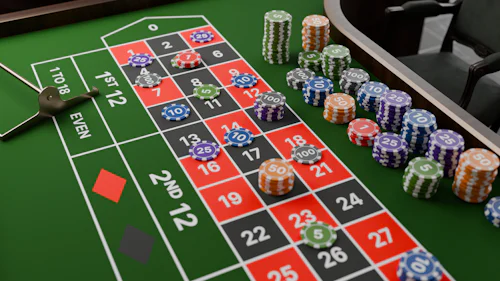
Research has shown that the brain releases dopamine when individuals partake in gambling activities, mirroring the response seen during other pleasurable experiences. This chemical release can establish a cycle of reinforcement, encouraging players to return for more in search of that exhilarating high. As players experience wins, regardless of their size, they may develop a false sense of control over their gambling success, often underestimating the risks involved. The captivating prospect of dramatically changing one’s fortune in a matter of moments makes it challenging to resist the gaming environment.
The psychological appeal of risk-taking can also be linked to personality traits such as sensation-seeking. Individuals who score high in this trait are more inclined to pursue thrilling experiences, including gambling. These participants frequently engage in games that provide both uncertainty and excitement, feeding their desire for adventure. Such psychological tendencies can create a sustained engagement with gambling as a means to fulfill their quest for new and invigorating experiences, further deepening their involvement in this captivating activity.
The impact of social interactions
Social dynamics play a pivotal role in gambling behavior, as many individuals derive pleasure from the communal aspects of the activity. Whether it’s the camaraderie shared in a gaming venue or the thrill of betting with friends, these social interactions can significantly enhance the enjoyment of gambling. People often experience a sense of belonging and community when participating in gambling activities, which can reinforce their desire to return. This social context can further amplify the psychological appeal, as individuals seek the companionship of fellow gamblers.
Additionally, social proof can dramatically influence gambling behavior. When individuals observe others winning or enjoying themselves, they may feel compelled to join in, believing that they too could achieve similar success. This phenomenon is especially evident in environments like gaming establishments, where the atmosphere is often charged with excitement and positive energy. Social interactions can serve as a motivator, encouraging individuals to engage in gambling to avoid missing out on shared experiences or the thrill of potential wins.
However, the social aspect is not always beneficial; peer pressure can lead to excessive gambling behaviors. In group settings, individuals might feel pressured to continue playing to maintain social ties or uphold a specific image among their peers. This dynamic can blur the lines between recreational gambling and compulsive gambling, as social influences compound the psychological factors driving the behavior. Understanding the interplay between social interaction and gambling can provide insight into why some individuals find it challenging to step away from gaming environments.
Cognitive biases that fuel gambling behavior
Gambling is rife with cognitive biases that can distort perception and lead individuals to engage in riskier behavior than they might usually consider. One of the most prevalent biases is the “gambler’s fallacy,” where individuals mistakenly believe that past events can influence the outcomes of future events in games of chance. For instance, a player may think that if a particular number hasn’t appeared in a while, it is statistically due to show up soon. Such misconceptions about probability can lead to repeated play, even in the face of clear rational evidence to the contrary.
Another cognitive bias affecting gambling behavior is the illusion of control. Many gamblers harbor the belief that they can influence the outcome of a game through skill or strategy, even in games that are exclusively based on chance, like slot machines or roulette. This illusion can compel individuals to place additional bets, as they feel empowered by a false sense of agency. Such cognitive distortions can create a cycle where individuals continue to gamble, hoping to demonstrate their control, which often leads to increased losses.
Moreover, the near-miss effect can significantly impact gambling behavior. When players come close to winning but ultimately lose, it can evoke feelings of excitement rather than discouragement. This phenomenon can catalyze further gambling, as players may believe they are on the verge of winning, thus reinforcing their engagement. Understanding these cognitive biases is essential for recognizing how they can lead individuals deeper into gambling, potentially fostering compulsive behaviors over time.
The role of marketing and environment
Marketing strategies employed by gambling establishments play a crucial role in shaping perceptions and encouraging participation. From vibrant visuals to enticing promotions, these venues utilize various tactics designed to create an irresistible allure. This not only attracts new gamblers but also encourages seasoned players to return. The immersive nature of gambling environments, filled with sensory stimulation, works to enhance excitement and distract from the risks involved, making it easier for individuals to lose track of time and money.
Furthermore, the environment within gaming facilities is meticulously designed to promote prolonged engagement. From the sounds of coins clinking to the flashing lights of slot machines, every element is crafted to heighten the senses and create a sense of urgency to play. This careful orchestration often leads to a disassociation from the reality of gambling’s risks, as players become increasingly absorbed in the experience itself. The atmosphere can induce a state of mind where rational thought is overshadowed by the thrill of the moment.
In addition, loyalty programs and incentives further entrench gambling behavior by rewarding frequent players. These programs create a sense of indebtedness, where players feel compelled to return to capitalize on their accrued benefits. This not only cultivates a habit of play but also reinforces the notion of gambling as a viable path to profit, even if statistical evidence suggests otherwise. Understanding the impact of marketing and environment is essential in dissecting the psychology of gambling and its effect on behavior over time.
Understanding gambling through a comprehensive lens
To effectively address the multifaceted nature of gambling behavior, it is crucial to adopt a comprehensive perspective that encompasses psychological, social, and environmental elements. Understanding these factors is vital for effectively tackling the challenges associated with gambling addiction and promoting healthier behaviors. Through education and awareness, individuals can better recognize the psychological traps that may lead them to gamble excessively. It’s also important for family and friends to be informed about the influence of social dynamics on gambling to provide appropriate support.
Numerous resources exist to assist individuals struggling with gambling addiction, particularly those focusing on cognitive-behavioral therapy and support networks. These programs aim to alter flawed perceptions and develop coping strategies. Additionally, public campaigns that emphasize responsible gambling practices can significantly impact individuals’ awareness of the risks involved and promote a culture of moderation. Recognizing the interplay between psychology and gambling can lead to more effective prevention and intervention strategies.
As the landscape of gambling continues to evolve, access to information and resources remains crucial. By fostering open conversations about gambling and its implications, society can cultivate a more informed and supportive environment. Ultimately, understanding the psychology behind why we gamble allows for substantial discussions about its impact and the potential for more responsible gambling practices moving forward.